
Independent product discovery
Hipobuy Jacket Finds: Sizing, QC and Shipping Weight
Compare baseball, denim and winter jacket listings with measurements, warehouse QC checks and volumetric shipping examples before choosing.
Updated
Catalog examples to compare
Catalog examples to compare
USD item-price snapshot: 23 September 2026. Listing images, not warehouse QC. Open the exact listing to confirm current options and price.
In this guide
- Pick the type of jacket before the seller
- Three catalogue examples to compare
- Measure a comparable jacket you already wear
- Leave room for the layers you intend to use
- Plan the warehouse QC photographs
- Check what the listing does not prove
- Budget for volume as well as scale weight
- Choose packing after the return decision
- Keep the final shortlist useful
Compare Hipobuy jacket finds by cut, usable measurements, visible construction and packed volume. A low item price does not tell you whether a jacket fits over your usual layers or what it will cost to ship. Start with a small shortlist, retain the exact seller item and decide which warehouse photos would resolve your uncertainties.
Browse jackets, check the size guide and use the shipping calculator with your own parcel measurements. The examples below are identifiable catalogue listings, not wear-tested recommendations.
Pick the type of jacket before the seller
Begin with what you need the garment to do. A short baseball-style jacket, a denim layer and a padded winter coat have different shapes, layering needs and packing behaviour. Search the jacket category for the construction you want, then open individual listings. Words such as warm, down, waterproof or premium are seller descriptions until supported by suitable evidence. A title alone cannot establish insulation, fibre composition or performance in rain.
Write down your priorities before comparing prices. They may include room for a sweatshirt, a particular body length, a secure closure or pockets that fit what you carry. This keeps a visually striking photograph from replacing the original purpose of the purchase. If a performance feature is essential, seek dependable product information rather than assuming that a similar-looking jacket will behave like one you already own.
Three catalogue examples to compare
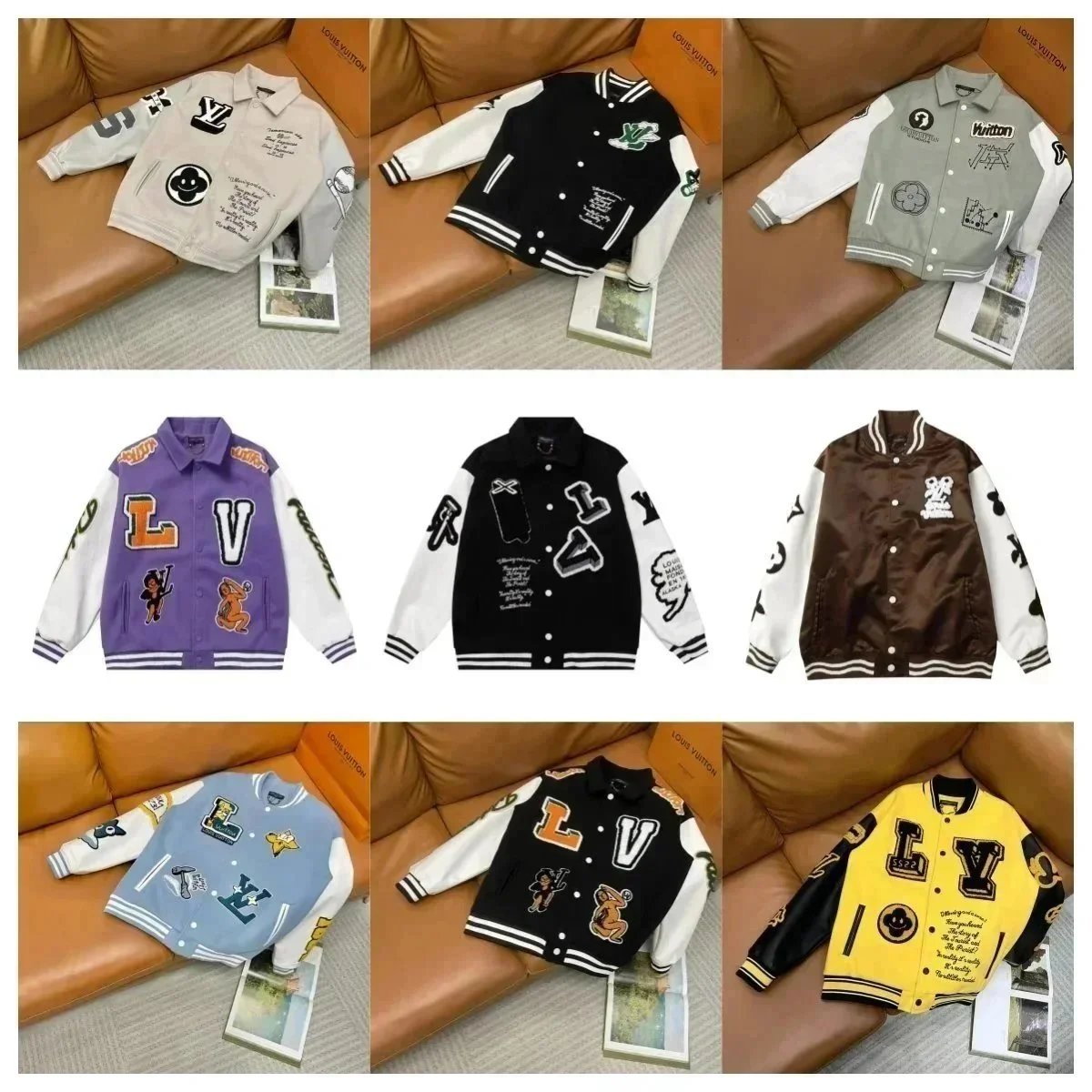
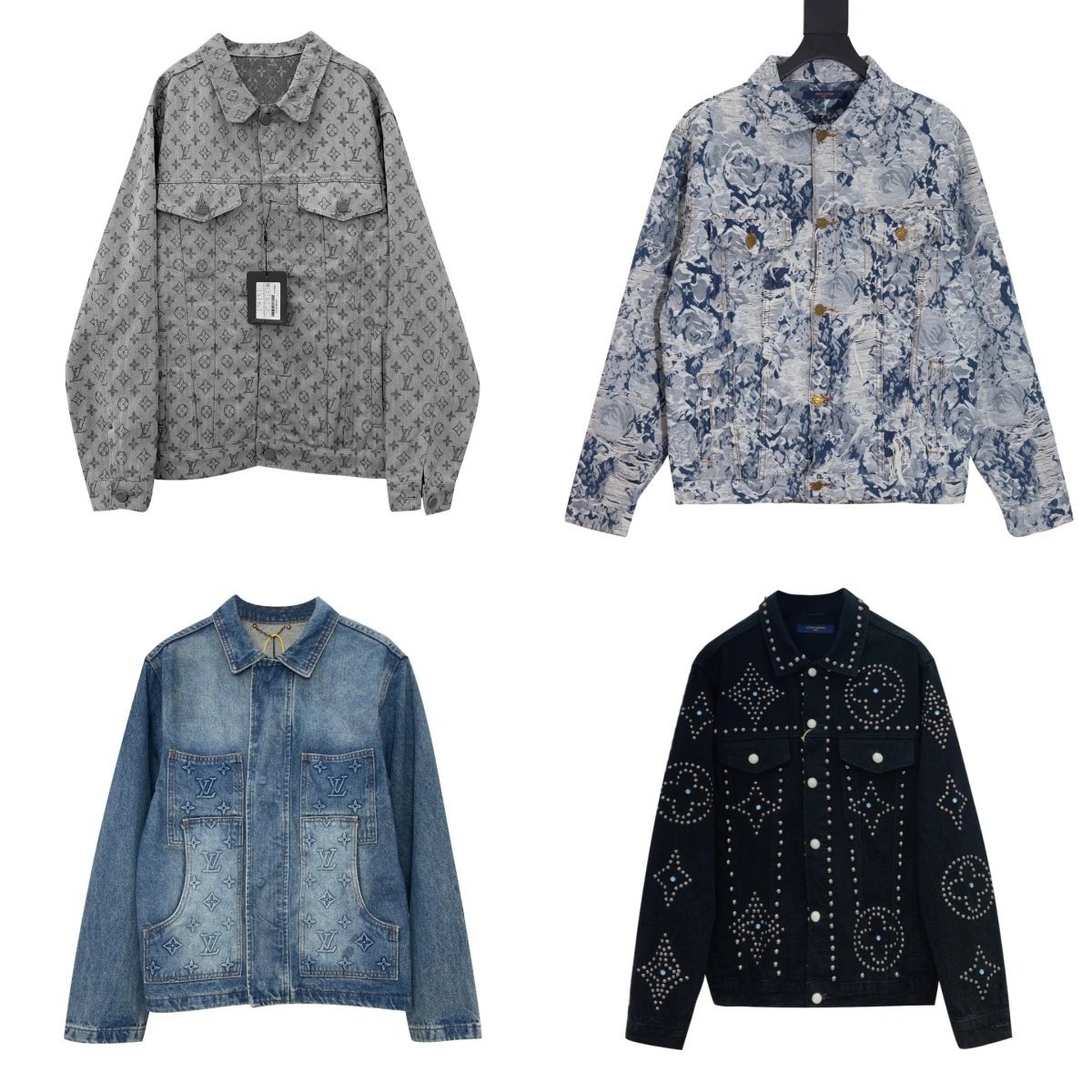
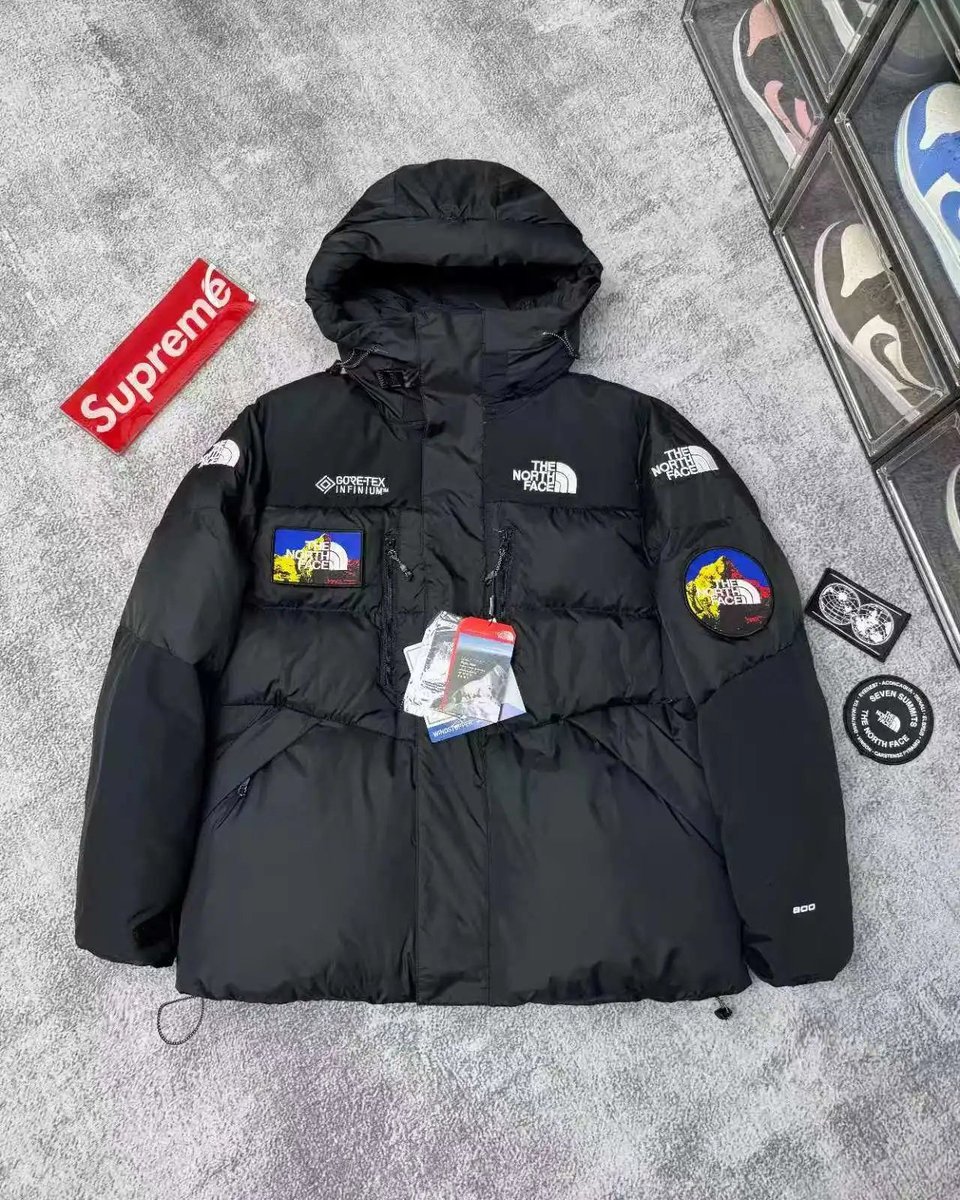
The site's 23 September 2026 snapshot records a baseball jacket at catalogue record 3403, a denim jacket at 3391 and a winter jacket described by the seller as down at 3388. Their recorded item prices were $53.89, $40.14 and $92.08 respectively. These are historical USD product prices, excluding international delivery. They are provided to identify the examples and must not be treated as current quotes, stock confirmations or proof of the material named in a listing.
| Catalogue record | Listing type | First comparison to make |
|---|---|---|
| 3403 | Baseball-style jacket | Body length, shoulder shape and closure |
| 3391 | Denim jacket | Chest allowance, sleeve reach and seams |
| 3388 | Seller-described winter down jacket | Layering space, stated filling and packed volume |
Open each exact listing rather than substituting a similar title. Compare its current options and images with your intended use. The cards preserve the source listing photographs; they are not warehouse inspections of an item ordered for you. A higher historical price does not demonstrate better construction, and the cheapest candidate may need more costly shipping or fail your measurement requirements.
Measure a comparable jacket you already wear
Use a garment with a similar structure and the fit you want. Lay it flat without stretching it, then record chest width, body length, shoulder width and sleeve length using clear start and end points. Compare those points with the seller's chart. A chart that gives body circumference cannot be compared directly with a flat width unless you understand the conversion and the intended measurement. An S or L label is not a consistent measurement across sellers.
For an illustrative example, a familiar jacket measuring 60 cm flat across the chest is wider than a candidate measuring 58 cm by 2 cm in flat width. Doubling those figures describes a simple circumference comparison, not a guarantee of wearing comfort. Lining, insulation, armholes and the shape of the shoulders also affect space. Use the example to identify a question, then check the actual chart rather than choosing a size from the illustration.
Leave room for the layers you intend to use
A jacket tried over a thin shirt can feel different over a hoodie. Decide which layers matter and compare against a garment you wear in that combination. Check sleeve reach and upper-arm space as well as the chest. Dropped shoulders and raglan sleeves use different measurement layouts, so a shorter sleeve number does not necessarily mean a shorter overall reach. Ask how the seller measured it when the chart is ambiguous.
Consider the hem and closure together. A cropped jacket with a tight waistband may sit differently when zipped, while a long coat needs enough room for movement and seated use. Photographs can suggest proportions but cannot reproduce how a garment moves on your body. Do not rely on model height without the size worn and relevant garment measurements. Keep the most important measurement question attached to the exact item and option.
Plan the warehouse QC photographs
Ask first whether the received item matches the ordered colour, size and construction. Useful views include the entire front and back, the size label, closures, cuffs, hem, lining and any area where a visible problem is suspected. For a baseball-style jacket, compare front-panel alignment and the fasteners. For denim, inspect seams and visible hardware. For a padded coat, inspect the arrangement of panels and obvious damage without claiming that photographs measure filling quality.
When fit is the remaining question, a clear flat measurement may be more useful than another decorative close-up. State which points should be measured and why the existing view is insufficient. Check whether additional photographs or measurements are available and what they cost. Read the QC checklist before making a packing decision. Neither seller images nor warehouse pictures establish authenticity, long-term durability or a laboratory specification.
Check what the listing does not prove
A shiny surface is not proof of a waterproof membrane. A thick appearance does not establish warmth, and a product title containing down does not verify the filling type or quantity. Separate seller claims, visible evidence and missing information in your notes. If composition or weather protection is essential, ask for reliable specifications before buying. Do not infer them from price, a logo or the number of photographs in a gallery.
This directory has not worn, washed or tested the example jackets. Its purpose is to make a comparison traceable, with exact listings and practical checks. If you cannot obtain the information that matters to your use, keep that uncertainty in the buying decision. Repeating a claim as if it were verified makes the shortlist less useful and can lead to an inappropriate purchase even when the product looks attractive.
Budget for volume as well as scale weight
A bulky winter jacket can occupy substantial space relative to its scale weight. Depending on the route, the billing rule may compare actual and volumetric weight. With hypothetical dimensions of 40 × 30 × 30 cm and an illustrative divisor of 6000, the volumetric result is 6 kg. If the packed scale weight were 2 kg and the route charged the greater value, 6 kg would be the starting billing weight before its rounding rules. These figures are not measurements of any example jacket.
Use the route's actual divisor, thresholds and inclusions. Some services use a different basis, and an entered per-kilogram rate cannot reproduce every initial-weight tier or surcharge. The calculator on this site makes the arithmetic visible but does not load live Hipobuy prices. Keep item cost, domestic delivery, optional packing, international shipping and possible destination charges separate until you have the relevant current quote.
Choose packing after the return decision
Compression may reduce volume for some clothing, but it is not automatically appropriate for every filling, trim or structured garment. Ask what packing options are available and how the item will be protected. Avoid removing tags or original packaging while you are still evaluating a return. Hipobuy's current return notice makes condition, seller participation and timing relevant, with separate restrictions for some products and alterations requested by the buyer.
If the jacket is wrong or a necessary measurement is missing, resolve that issue before combining it into an international parcel. Storage time and return eligibility are different clocks. Read the warehouse return guide promptly, save the relevant images and describe a specific mismatch. A decision to wait for another item should not quietly consume the time available to raise a problem with this one.
Keep the final shortlist useful
Save the exact listing, variant, measurement method, unresolved questions and current quoted cost. Compare candidates under the same intended use and parcel assumptions. Select the one whose evidence meets your requirements, rather than the one with the longest title or most confident promotional language. After receiving warehouse evidence, revisit the same criteria and record whether you accept the item, need clarification or want to request a remedy.
Example basis: catalogue records 3403, 3391 and 3388 from the site's 23 September 2026 snapshot. Guide prepared 17 October 2026. Prices and options may change; listing photographs and seller material descriptions are not independent product tests. No example is presented as a guaranteed fit, verified brand item or fixed delivered-price offer.