
The photo set has a specific job
Warehouse QC photographs help you compare the item that arrived with the one you meant to order. They are different from a seller's promotional photographs and from the first image on a spreadsheet card. Hipobuy's official home page says goods are received in its Chinese warehouse, inspected and then made available for parcel selection. The photographs are evidence of visible features at one moment. They do not certify every material, establish durability or guarantee that an item will fit. Their real value is giving you a chance to spot a visible mismatch before you approve international shipping.
Begin by bringing the original seller listing and the exact selected variant next to the warehouse images. Without that reference, it is easy to mistake a different colourway for a defect or overlook a size change. Save the product URL, the size or colour selected at checkout, and the agent order number. If the seller changed its listing after you ordered, a screenshot of the selected option becomes especially useful. A generic product name alone cannot establish which version you purchased.
Inspect the whole item before the small details
First ask whether the general item is correct. For a shoe, look at the pair's silhouette, both lateral sides, toe shape, sole and visible size label. For a hoodie, look at the front, back, neckline, cuffs, hem and the garment laid flat. For a bag, look at its structure, handles, closures and base. The useful angles differ by product type; there is no universal photograph that proves everything. A single attractive front shot can hide the exact area you needed to check.
Then compare the colour and proportions with the ordered variant. Screen settings and lighting affect colour, so a small difference in shade is not conclusive on its own. A clearly different selected colour, a missing component or a size label that conflicts with the order is more actionable. Treat a low-resolution or overexposed photo as incomplete evidence. Ask for a clearer view rather than declaring an item good or bad from a blur.
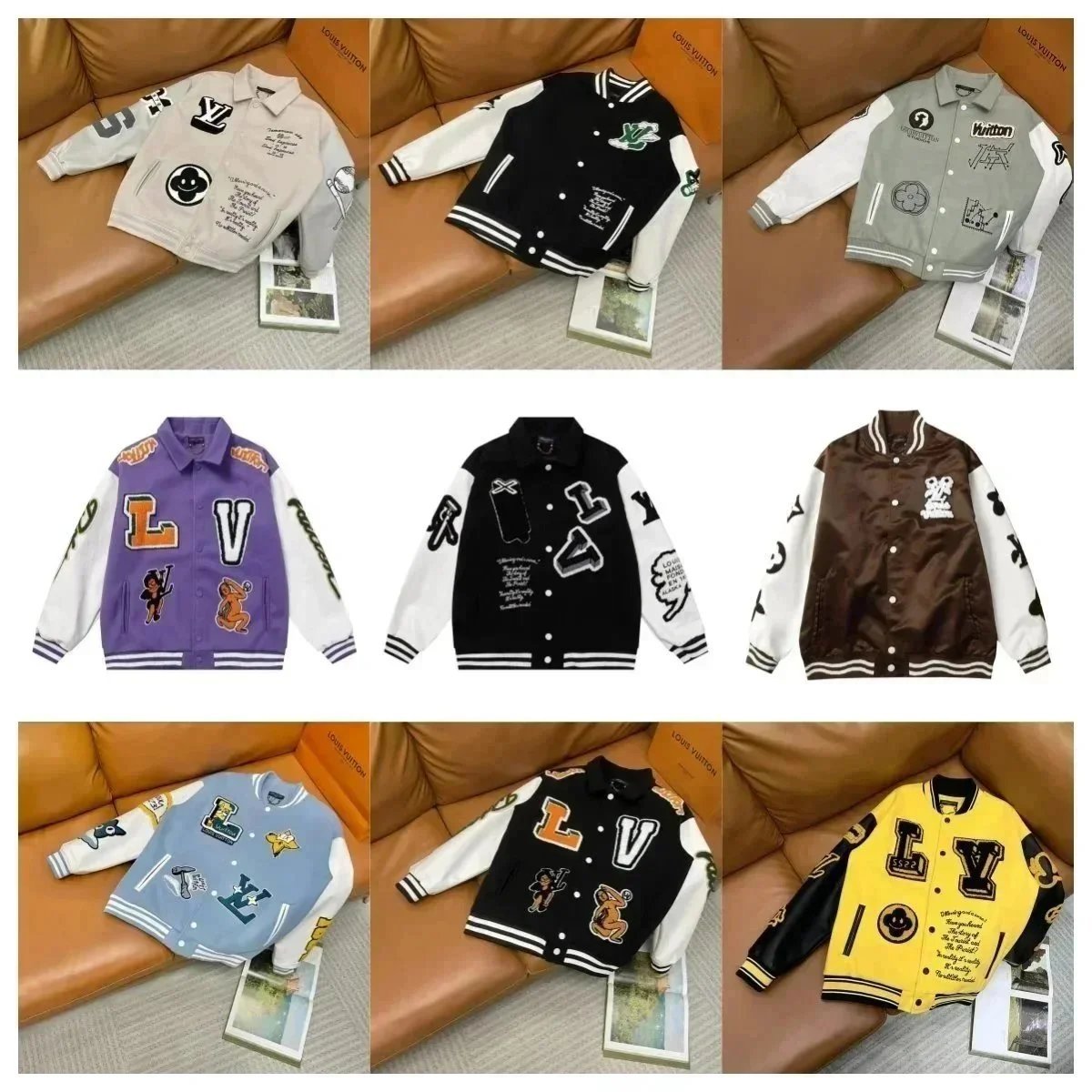
Work through five visible checkpoints
- Identity: the product type, colour, number of pieces and selected variant match the saved order.
- Construction: obvious gaps, uneven seams, loose threads, stains, scuffs or missing hardware are visible from the available angles.
- Details: labels, printed elements, closures and included accessories correspond to what the seller listed.
- Size: a visible label or measurement matches the ordered option; a photograph of a tag does not replace measurements where fit matters.
- Packaging: protective material and any requested box or accessory are present if the seller and agent agreed to include them.
This is a checklist for observing photographs, not a pass/fail certification. A visible stray thread may have little effect; a wrong size can make an otherwise immaculate garment unusable. Rank issues by the decision they change. If you would keep the item regardless, record the imperfection and move on. If a detail determines whether you would ship it internationally, ask for evidence while the item remains in the warehouse.
Request useful extra photographs
A good request names a location and a decision. “Please photograph the inside size tag straight on; I need to confirm the size before shipping” is more useful than “more photos please.” For shoes, you might request both heel views or an outsole close-up. For clothing, a measurement across the chest or waist can clarify an uncertain size. For a bag, an image of the closure or interior may answer a specific concern. Whether an extra image is available or carries a charge depends on the current service terms, so check the option shown in the order interface rather than assuming it is free.
Do not ask photographs to answer questions they cannot settle. A picture cannot measure the long-term wear of a sole, confirm the exact fibre content of fabric or establish a legal guarantee about authenticity. Weight recorded by the warehouse may help with parcel planning, but it does not prove the composition of an item. For those questions, rely on reliable product documentation or accept that uncertainty remains. An honest buying decision sometimes means passing on a listing that cannot be verified adequately.
Separate inspection from return eligibility
Hipobuy's official Returns and Refunds notice describes a five-day return service for eligible products. The notice says the relevant request window starts after an order becomes “Warehoused,” and it gives a 120-hour interpretation. Eligibility also depends on whether the seller offers the service and whether the item remains in the condition required by the seller. Custom-made goods and products with packaging, tags or accessories removed on a buyer's request are among the examples that may be ineligible. These conditions matter more than a general claim that a platform “has returns.”
The same notice explains that customer-initiated unconditional returns can involve shipping costs in both directions and a RMB 5 service fee. A seller error may be treated differently, but the outcome depends on the seller and the platform's process. Use the return reason that accurately describes the issue. Do not remove tags or approve a repackaging request before you understand how that might affect an eligible return. Most importantly, act while the item is still stored and the applicable request window remains open.
Storage is not extra inspection time forever
Hipobuy's official Order Status Display lists “Arrived” as waiting for inspection and “Stored” as warehoused. It states that stored orders have 90 days of free storage. That long storage period is useful for grouping several purchases into one parcel, but it does not extend a seller's short return window. Mark the warehouse arrival date when you receive the notice. Review the QC images before making plans for a larger haul; otherwise you may discover a problem only after the easy resolution period has passed.
If you are combining items, keep a separate identity record for each product. One parcel can contain several independently ordered goods, each with a different arrival date and potentially different return eligibility. Make a short list: item, seller URL, ordered option, warehouse date, QC issue and decision. This sounds mundane, but it prevents confusion when multiple black hoodies or similar pairs of shoes appear in a single account.
A practical decision example
Imagine you ordered a medium hoodie and the warehouse images show a large on the visible tag. Start by checking whether the tag photograph belongs to the correct order and whether the seller's variant labels were unusual. Request a clear image of the tag and, where available, a measurement. If the mismatch remains, open the service's return request promptly and describe the evidence precisely. Do not approve the parcel while waiting for a response. By contrast, if the tag is correct and the shade merely looks slightly warmer under warehouse lighting, a second photograph under neutral light may be a more proportionate next step than immediately calling it a wrong item.
Your conclusion should match the evidence: “The tag reads large, but I ordered medium” is specific. “This seller is fraudulent” cannot be established by that photo alone. Precise notes help the person reviewing the request and make it easier for you to decide whether to accept, return or ask for another view.
Record the decision before shipping
Once the visible concerns are resolved, save the QC image set and final decision with the original listing. Then examine the shipping quote for the actual parcel. The photo check is a product decision; route availability, packaging and insurance are separate parcel decisions. Hipobuy's international parcel terms and compensation notices include conditions and exclusions. If something is fragile or valuable, review those terms rather than assuming an appealing QC photo also means a parcel is fully insured.
This method makes the warehouse stage useful: compare the exact order, inspect the relevant angles, ask a targeted question when evidence is missing and act within the applicable return window. No list of “verified finds” can replace that check on the particular item that arrived for you.
Source note: The warehouse inspection process appears on Hipobuy's official home page. The five-day window, eligibility and return-cost examples appear in its Returns and Refunds notice; “Arrived,” “Stored” and 90 days of free storage appear in Order Status Display. Reviewed 23 September 2026. Check the live order and current policy before requesting a return.