
Independent product discovery
Hipobuy Hoodie Finds: Prices, Measurements and QC
Compare three dated hoodie and sweatshirt listings, check seller measurements and plan the warehouse photos needed before shipping.
Updated
Catalog examples to compare
Catalog examples to compare
USD item-price snapshot: 23 September 2026. Listing images, not warehouse QC. Open the exact listing to confirm current options and price.
In this guide
- Begin with the shape you want to wear
- Compare a small, identifiable shortlist
- Keep a comparison record that prevents mix-ups
- Measure a garment you already like
- Inspect the features that change the decision
- Treat fabric language as a claim to investigate
- Compare the delivered-cost decision
- Plan packing around the garment
- Make the warehouse decision while options remain open
Begin with the shape you want to wear
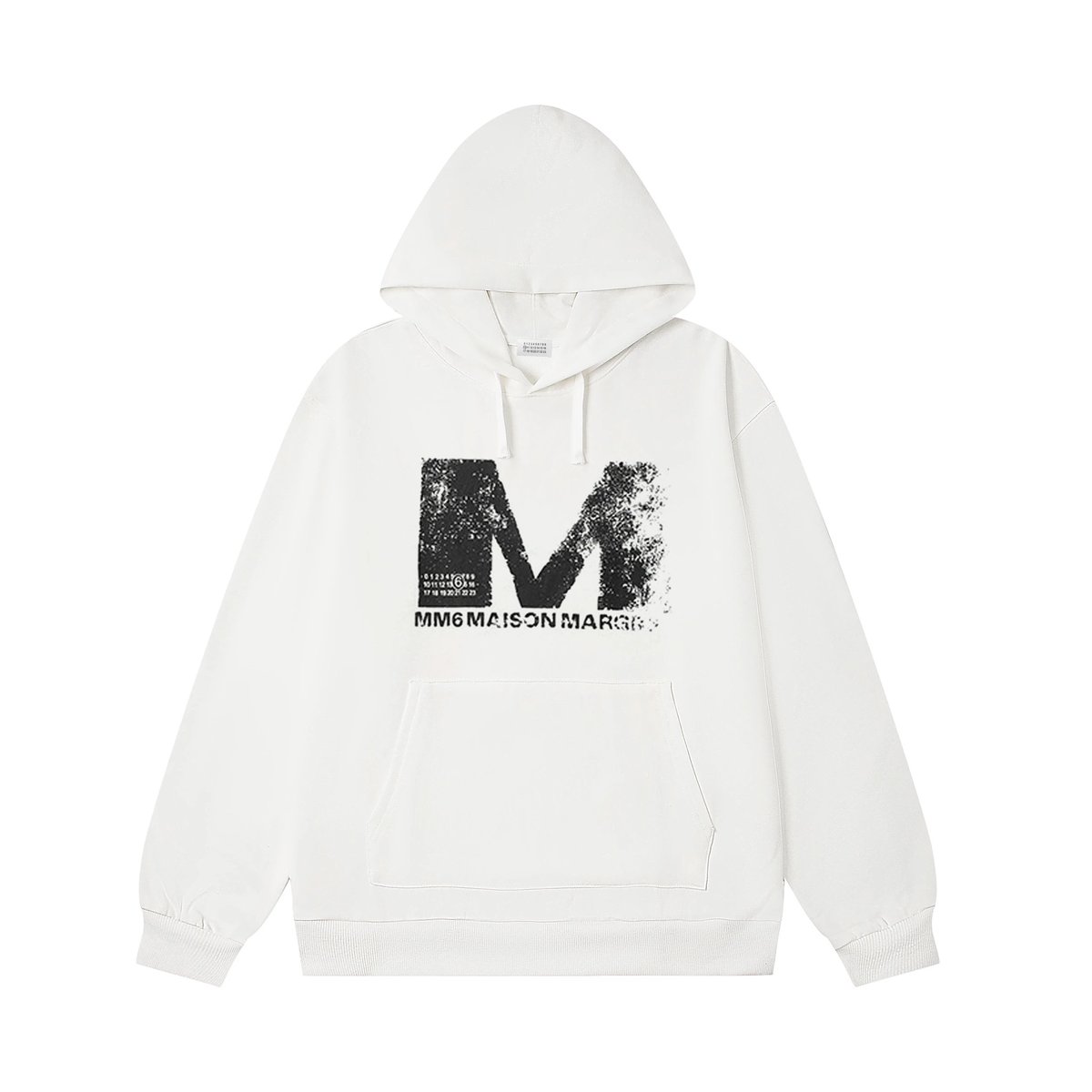
A useful Hipobuy hoodie finds page should help you compare actual listings, not simply repeat a long list of brand names. Start with the garment shape: pullover or zip front, hooded or crewneck, regular or deliberately loose, lightweight or intended for layering. Those choices affect fit, the details worth checking and how much room the item may take in a parcel. The product cards above come from this site's dated catalog snapshot and open their matching listings for further research.
The collection is independent of Hipobuy. Its links lead to the linked catalog where current product information must be checked; they are not an official Hipobuy checkout or a promise that an item can use a particular agent or route. Listing photographs are not warehouse QC photographs of your own order. Keep that distinction clear when comparing a promising image with the evidence you will need after a product arrives.
Compare a small, identifiable shortlist
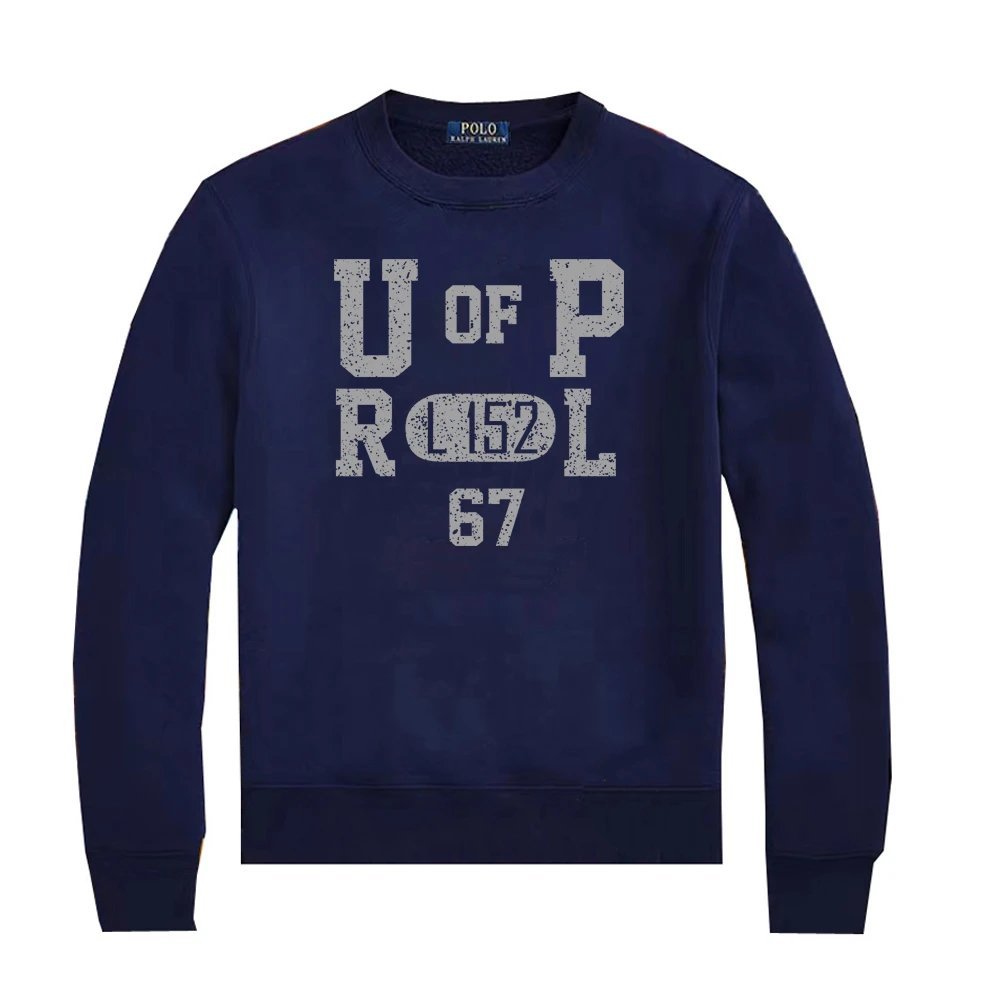
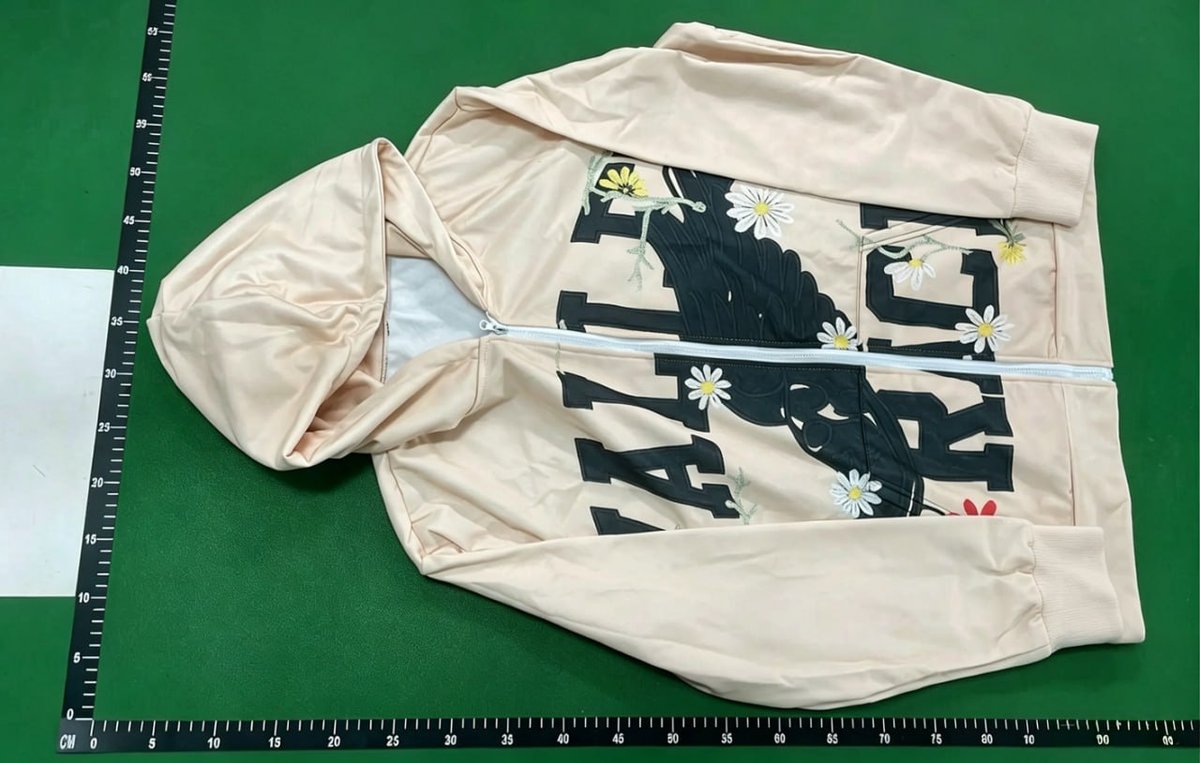
Our 23 September 2026 snapshot includes a loose printed hooded sweater, record 3373, displayed at $20.14; a fleece sweater, record 3372, at $31.94; and a Valley Dreams cardigan-style hoodie listing, record 3439, at $38.61. These are recorded product prices in USD, not current checkout guarantees or totals including international delivery. The seller titles identify the records; their fabric descriptions are claims to verify, not materials we have tested.
The cards retain the catalog's original first image and exact product destination. Compare them by cut and the information actually available. A pullover and a cardigan-style garment solve different wardrobe needs, so the lowest displayed price is not automatically the best choice. Open each candidate, confirm the selected colour and size and check whether the displayed price applies to that option. If the listing has changed, use the current information rather than the older snapshot.
Keep a comparison record that prevents mix-ups
| Field | What to record | Check before ordering |
|---|---|---|
| Product identity | Exact listing and product record | The image and selected option still match |
| Cut | Pullover, zip front or another construction | The actual photos support the title |
| Measurements | Chest, length, shoulder and sleeve | The seller explains where each is measured |
| Fabric claim | Seller's stated material and finish | The claim has usable supporting information |
| Price | Currency, selected option and check date | Extra domestic or service charges are separate |
| QC plan | The images or measurements you will need | The requested checks are available |
Do not combine the size chart from one seller with the product photograph from another. Similar titles and colours can disguise a different cut or version. If you save screenshots, include enough context to identify the listing and date. Record why an item made your shortlist, such as a useful length or a specific closure. This makes a later warehouse decision more concrete than remembering that the product simply looked good.
Measure a garment you already like
Choose a hoodie or sweatshirt that fits the way you want the new one to fit. Lay it flat without pulling the fabric and record the measurement method. Chest width, body length, shoulder width and sleeve length are useful, but the seller's chart may use different start and end points. A dropped shoulder can shorten the listed sleeve while leaving the overall reach similar. Compare like-for-like measurements before interpreting the size letter.
For a clearly hypothetical example, a familiar hoodie might measure 58 cm across the chest. A candidate chart showing 56 cm is 2 cm narrower when both measurements are taken flat in the same way. That is not a guarantee of how either garment will feel: fabric stretch, armhole shape and the intended fit still matter. The example is a method for interpreting measurements, not a size recommendation for any product shown here.
Inspect the features that change the decision
For a printed pullover, inspect the location and alignment of the visible print, the shape of the hood, cuffs, hem and seams. For a cardigan or zip-front style, add a straight view of the closure and both front panels. Look for a visible mismatch with the exact option ordered before judging small cosmetic differences. An absent component or clearly wrong colour is a different problem from a slightly warmer photo under warehouse lighting.
Request a missing photograph by describing both the location and your reason. A flat chest measurement is more useful for an uncertain fit than another close-up of the logo. A clear zipper area may resolve a construction concern that the front image cannot. Check the current availability and charge for additional photography. Do not describe a product as “QC verified” just because a directory includes an attractive seller image or another person's unrelated warehouse photo.
Treat fabric language as a claim to investigate
Terms such as fleece, heavyweight, brushed, cotton and premium can mean different things across listings. Read the actual material information and distinguish a seller statement from evidence about your own item. A close photograph can show a surface texture or lining, but it does not reliably establish fibre composition, fabric weight per square metre or long-term resistance to pilling. Product weight is not a substitute for those measurements.
If warmth, a particular fibre or skin comfort is essential, look for dependable information before buying. Avoid inventing a fabric specification from the photo or a low price. Two visually similar sweatshirts may behave differently after washing, and this directory has not worn or laboratory-tested these items. Keeping that limitation visible makes the shortlist more useful: you can decide whether the available evidence is sufficient for your own priorities.
Compare the delivered-cost decision
Keep the product price separate from seller-to-warehouse transport, optional services, payment effects and international shipping. If two items will travel in the same parcel, do not assign the full parcel fee independently to each and then add those totals together. For budgeting you may allocate a share, but label the allocation method and retain the actual total. The final route quote belongs to the packed parcel rather than to a directory card.
For an illustrative arithmetic check, a $20.14 product plus a hypothetical $3.00 domestic charge would be $23.14 before other costs. The $3.00 is not a quote for record 3373 and should not be copied into a purchase budget without verification. International delivery, optional services and destination charges remain separate. This distinction prevents a low product price from being presented as an all-inclusive amount the seller never offered.
Plan packing around the garment
Clothing can be folded in different ways, and thick layers can occupy significant space despite a moderate scale weight. Ask what packaging options are actually offered and whether compression is suitable for the particular garment and decorations. Do not assume that aggressive compression is harmless to every print, trim or structured detail. The decision should preserve the condition you want on arrival as well as account for the route's billing method.
If you are combining a hoodie with shoes or accessories, finish each item's QC decision before the parcel is prepared. Keep hard edges or components from pressing into vulnerable details where suitable protection is available. Compare actual and volumetric weight using the route's stated rule. A rehearsal or pre-packing option can be useful when the uncertainty affects your choice, but its fee and inclusions must be checked separately rather than assumed.
Make the warehouse decision while options remain open
Compare the received item with the saved order, selected size, relevant measurements and visible details. If something is wrong, record the specific discrepancy and check the current seller and service conditions promptly. A long warehouse-storage period should never be treated as permission to postpone a time-sensitive return request. Do not request irreversible packaging changes until you understand their effect on any available remedy.
If you accept the item, save the QC set and decision with its product record before adding it to a parcel. If you reject it or need more information, keep it out of the approved packing list until the issue is resolved. This guide provides a way to compare hoodie finds; it is not a guarantee about any seller, product authenticity, return outcome or final fit. The strongest choice is the listing whose evidence matches your intended use and budget.
Catalog basis: product records 3373, 3372 and 3439 in the site's 23 September 2026 USD snapshot. Guide prepared 4 October 2026. Prices, variants and stock can change; use the exact destination listing for current details. Images are catalog listing photographs, not new warehouse inspections or customer reviews.